Your cart is currently empty!
Vehicle Inspection in Switzerland: How to Properly Prepare Your Car for the Assessment
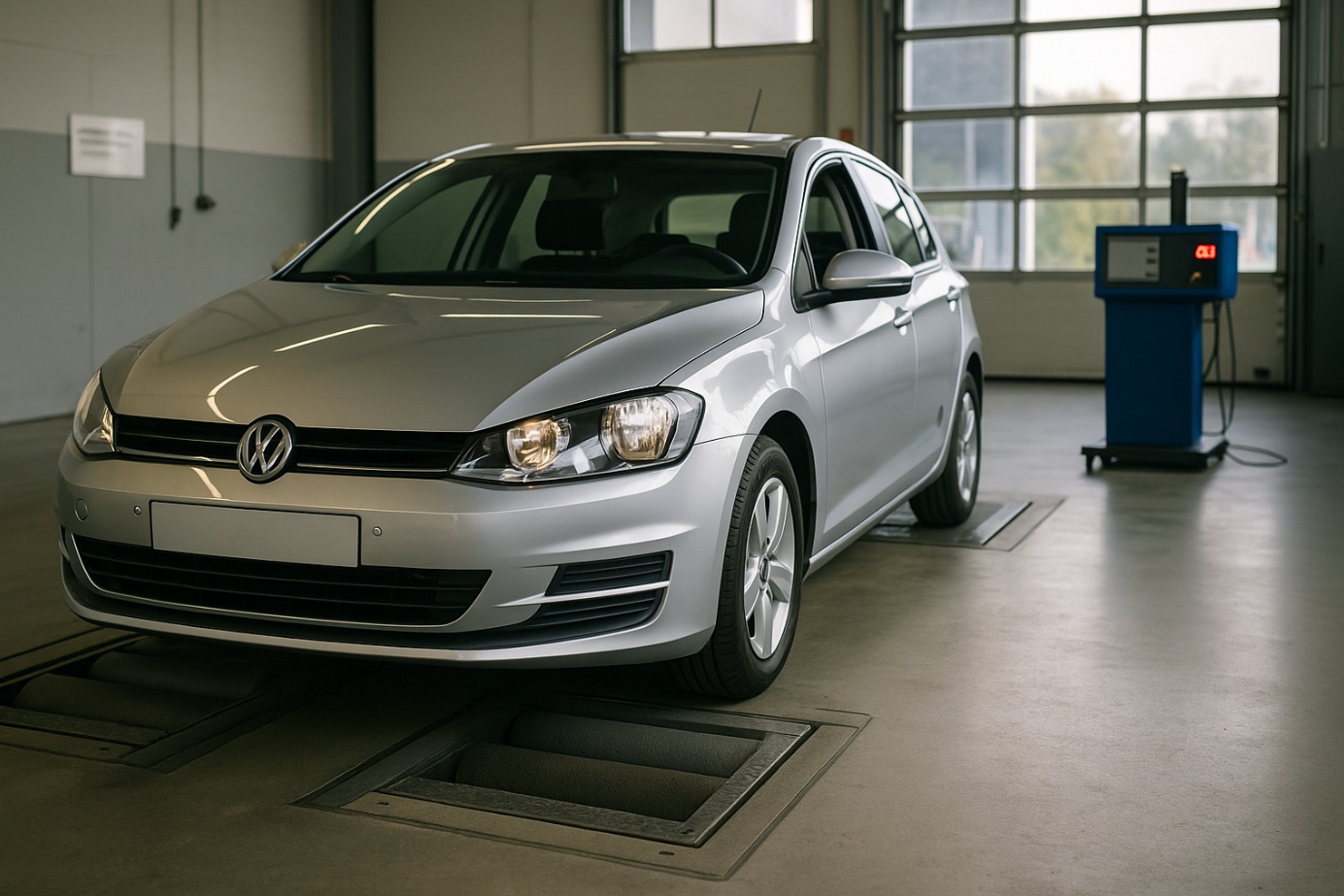
Vehicle Inspection in Switzerland: How to Properly Prepare Your Car for the Assessment
A vehicle inspection Switzerland, also known as an assessment, is a mandatory step to ensure your car’s safety and compliance. Whether for a periodic check, a sale, or an insurance requirement, a clean and well-maintained car is key to meeting the standards of the Swiss motor vehicle services. For example, a clean engine makes it easier to verify the engine number, often required during inspections. Plus, a spotless car makes a good impression and can positively impact the evaluation. Here are practical tips to prepare your car for an assessment in Switzerland.
Vehicle Inspection Requirements in Switzerland: What the Motor Vehicle Services Say
In Switzerland, vehicle inspections are mandatory to ensure safety and compliance, as per Article 33 of the Ordinance on Technical Requirements for Vehicles (OETV). Here are the typical intervals for passenger cars:
- First inspection: 5 years after initial registration.
- Second inspection: 3 years after the first.
- Thereafter: Every 2 years.
Each canton’s motor vehicle service requires the car to be clean, especially the undercarriage (chassis) and engine compartment, to allow a thorough inspection. Here are the general requirements and cantonal variations:
- General cleanliness: The car must be empty and clean, including the chassis and engine compartment. For instance, in Vaud, the Service des Automobiles et de la Navigation (SAN) emphasizes a clean chassis to inspect mechanical components. In Geneva, the same applies, with a focus on legible identification numbers (like the engine or chassis number).
- Headlights and tires: Headlights must be adjusted, and tire pressure checked. In cantons like Fribourg, inspectors may reject a car if tires don’t meet standards.
- Modifications: Any modifications (e.g., tuning or accessories like a tow hitch) must be declared beforehand. In Valais, the TCS may conduct these checks, but prior notification is required.
- Cantonal variations: For vehicles over 10 years old during a change of ownership, rules vary. In Vaud or Geneva, an inspection is required if the last one was over a year ago. In Valais or Fribourg, it’s two years. In St. Gallen, the TCS recommends the last inspection be within 8 months for used cars.
Before You Go: What to Do Exactly
To pass your inspection, careful preparation is essential. Here are the key steps before heading to the assessment center:
- Empty the car. Remove all personal items, including snow chains, to ease the inspection.
- Check your documents. Bring the inspection summons, registration certificate, and emissions booklet if required.
- Ensure everything is clean. The chassis, engine compartment, and identification numbers (like the engine number) must be clean and legible.
- Inspect headlights and tires. Adjust headlights and check tire pressure to avoid rejection.
- Declare modifications. If you’ve made changes (e.g., new rims), report them in advance.
Step 1: Clean Your Car’s Exterior
A clean exterior is crucial to meet Swiss vehicle inspection standards.
- Wash the body. Use a car shampoo from the Pre-Wash & Wash category. This removes dirt and contaminants.
- Clean the undercarriage (chassis). The chassis must be clean to allow inspection of mechanical parts. A pressure washer can help.
- Clean the rims. Rims need to be spotless. For example, use Tuga Chemie Alu-Teufel Special Wheel Cleaner to dissolve brake dust and tough dirt.
Step 2: Clean the Engine Compartment
The engine number is often checked during an assessment. So, a clean engine is essential.
- Protect sensitive parts. Cover electrical components with a plastic bag.
- Apply an engine cleaner. Choose a product from the Engine Cleaner category. Spray and let it sit.
- Brush if needed. Use a soft brush for tough spots.
- Rinse and dry. Rinse with lukewarm water at low pressure. Then, dry with a microfiber towel.
- Ensure the engine number is clean and legible. Once clean, locate the number (often on the engine block) and note it for the assessment.
Step 3: Clean the Car’s Interior
A clean interior is just as important for an assessment.
- Vacuum the carpets. Remove mats and vacuum thoroughly.
- Clean surfaces. Use an interior cleaner from the Interior Cleaners category for plastics and the dashboard.
- Treat stains. For seats, a fabric cleaner removes stains.
Step 4: Finish with Final Touches
Finally, add a finishing touch to impress.
- Apply a quick detailer. Explore the Quick Detailers category. This enhances the body’s shine.
- Check the tires. Use a product from the Tyre Dressing category to give tires a fresh look.
Conclusion
A vehicle inspection Switzerland requires a clean and compliant car to pass the assessment. By cleaning key areas like the engine compartment, chassis, and interior, you make the inspection easier while improving the overall impression. For quality products, explore our selection at DetailPeak and ensure a professional result.